
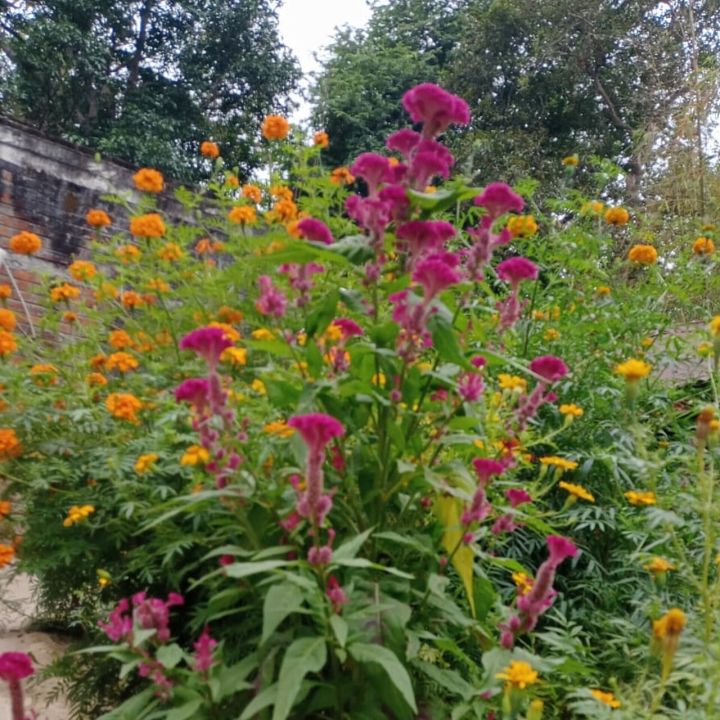
📷 Image: Wikimedia Commons / Maina Tudu
Food
Cockscomb Flower: The Crimson Secret Behind Kashmir's Wazwan
✍️ The Hindu
🗓 01 Nov 2026, 08:48 AM
👁 1
The cockscomb flower is a vital ingredient in Kashmiri culinary heritage, providing the traditional red hue to dishes like Wazwan through sun-dried petals.
In the rich culinary landscape of Jammu and Kashmir, the cockscomb flower holds a status far beyond that of a simple garden bloom. It is considered a treasure of the region's food culture, deeply embedded in the traditions of the valley. This velvety crimson flower is not merely decorative but serves a crucial functional role in preparing traditional Kashmiri cuisine.
The primary contribution of the cockscomb flower is the distinctive red hue it imparts to various dishes. In the elaborate multi-course meal known as Wazwan, this natural coloring agent is indispensable. Chefs rely on the flower to achieve the authentic visual appeal that defines the presentation of these heritage recipes, distinguishing them from other regional cuisines.
To ensure availability throughout the year, the petals are harvested and sun-dried. This preservation method allows the vibrant color to remain intact, enabling cooks to use the dried petals as a staple ingredient regardless of the season. The process highlights the resourcefulness of Kashmiri culinary practices, where natural ingredients are preserved to maintain the integrity of traditional flavors and aesthetics.
This practice underscores the deep connection between local flora and food heritage in the region. The cockscomb flower remains a silent but essential partner in the kitchen, ensuring that the visual identity of Kashmiri food remains consistent and recognizable across generations.