
📷 Image: TOI India (via NewsData)
International
1929 Crash: How Global Depression Fueled India's Independence Movement
✍️ TOI India
🗓 29 Oct 2026, 03:44 PM
👁 2
The 1929 US stock market crash triggered a global economic disaster, causing severe unemployment and agricultural price crashes in India that intensified the fight against British rule.
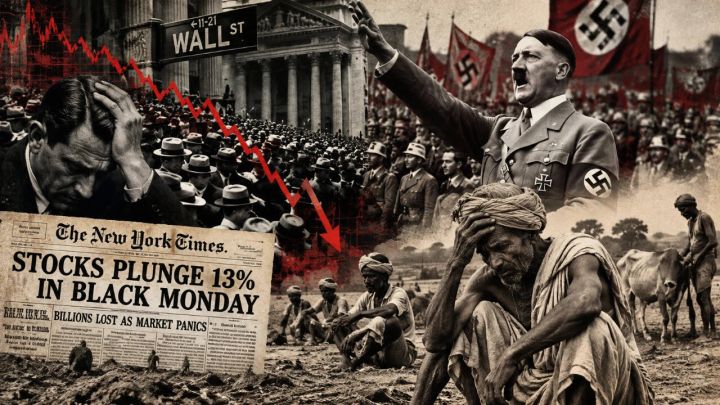
The stock market crash in the United States in October 1929 did not remain confined to American borders; it ignited a global economic disaster that reshaped political landscapes worldwide. The immediate aftermath saw widespread unemployment and the closure of businesses across major economies, marking the beginning of a prolonged period of financial instability.
In India, the repercussions were particularly devastating for the agrarian sector. A sharp fall in agricultural prices left farmers in a state of misery, significantly increasing their economic distress. This financial hardship pushed the rural population closer to revolution, as the crisis exacerbated existing tensions under British colonial rule.
The economic turmoil also served as a catalyst for political unrest. In Germany, the crisis contributed to heightened instability that altered the nation's political trajectory. Similarly, in India, the economic suffering fueled the movements for independence, demonstrating how global economic shocks can amplify local political struggles.
Meanwhile, Britain faced significant industrial downturns and substantial job losses, highlighting the interconnected nature of the global economy. These events underscored the urgent need for international economic collaboration to mitigate the effects of such widespread financial disasters.