
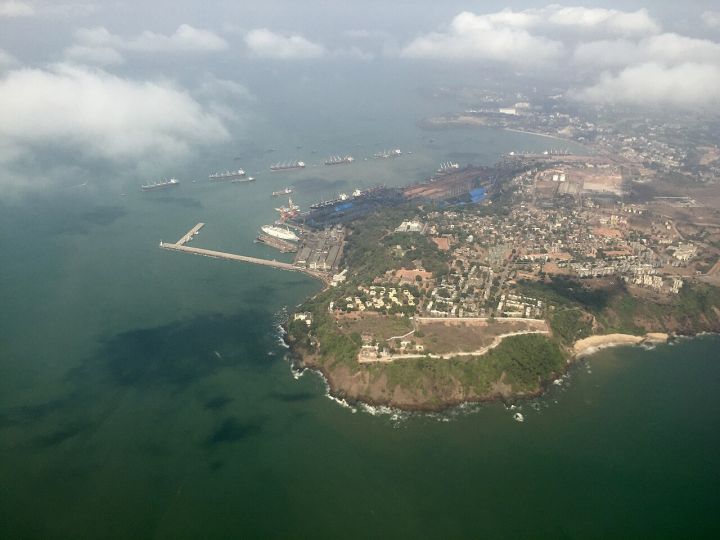
📷 Image: Wikimedia Commons / Trinidade
Business
Goa to Host India's First Dedicated LPG Terminal at Mormugao Port under ₹5,000‑crore MoU with ANVI Global
✍️ The Week
🗓 01 Nov 2026, 04:38 AM
👁 3
A memorandum of understanding worth ₹5,000 crore has been signed between Goa and Dubai‑based ANVI Global to build the state’s first dedicated LPG terminal at Mormugao Port.
The Government of Goa and Dubai‑based energy infrastructure firm ANVI Global have inked a ₹5,000‑crore memorandum of understanding to construct a dedicated liquefied petroleum gas (LPG) terminal at Mormugao Port. The agreement, announced on Monday, marks the first such facility in the state, aimed at streamlining LPG import, storage and distribution.
The terminal is expected to enhance Goa’s energy logistics by providing a purpose‑built hub for LPG, reducing reliance on shared cargo facilities and lowering transportation costs for downstream users. Industry analysts anticipate that the project will boost the local economy, generate employment and attract ancillary businesses to the region.
ANVI Global, which has a portfolio of LPG terminals across the Middle East, will lead the design, engineering and operation of the plant. The investment is slated to be completed over the next three to four years, with an estimated handling capacity of several hundred thousand tonnes per annum, creating direct and indirect job opportunities for the local workforce.