
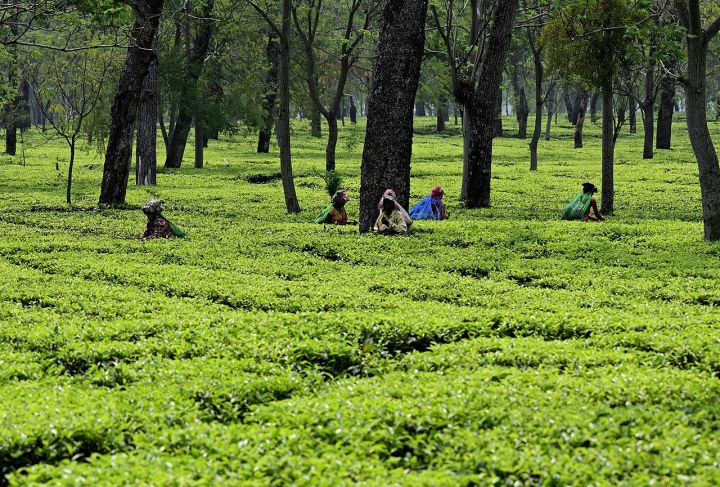
📷 Image: Wikimedia Commons / Drashokk
Agriculture
Assam Tea Sector Faces Climate‑Induced Labor Crisis
✍️ DW.com
🗓 01 Nov 2026, 06:38 PM
👁 1
Rising temperatures and erratic weather patterns are pushing tea workers in Assam to the brink, creating a labor shortage that threatens the region's tea production.
Assam, one of India’s premier tea‑producing states, has long relied on a vast workforce of tea pluckers and laborers to sustain its industry. Recent reports indicate that escalating temperatures and unpredictable monsoon patterns are disrupting traditional farming schedules.
Farmers say that the heat has shortened the plucking season, while erratic rainfall has made it difficult to maintain consistent tea leaf quality. As a result, many workers are either leaving the industry or demanding higher wages that producers cannot afford.
The shortage of labor is already affecting output, with several estates reporting lower yields and delayed harvests. Industry analysts warn that if the climate trend continues, Assam’s tea sector could face a prolonged decline in productivity.
Local authorities and tea associations are exploring measures such as mechanization and improved worker welfare schemes to mitigate the crisis, but the immediate impact on the livelihoods of thousands of tea workers remains a pressing concern.