
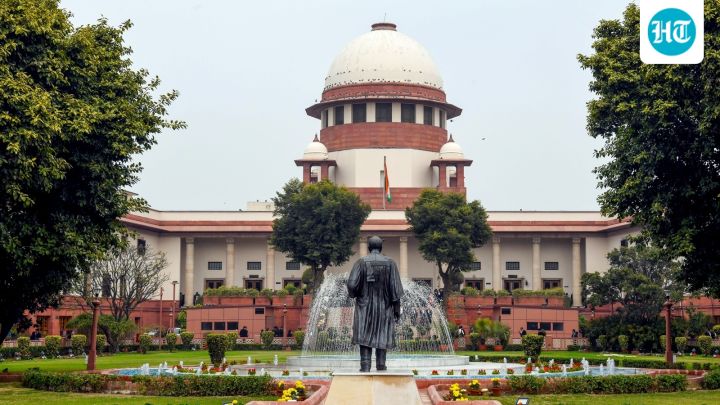
📷 Image: Hindustan Times (via NewsData)
Business
Supreme Court to Review RBI’s Draft KYC Rules Over Bank Liability in Digital Arrest Fraud
✍️ Hindustan Times
🗓 30 Oct 2026, 07:54 AM
👁 1
The Supreme Court has asked to examine the Reserve Bank of India's draft KYC guidelines before they are finalised, aiming to address bank liability in recent digital arrest fraud cases.
The Supreme Court of India has directed that the draft Know‑Your‑Customer (KYC) guidelines prepared by the Reserve Bank of India (RBI) be scrutinised before they are formally issued. The court’s intervention comes amid growing concerns over the role of banks in recent digital arrest fraud schemes that have caused substantial losses for victims.
In the alleged frauds, perpetrators used forged digital arrest notices to trick individuals into transferring money to bank accounts, raising questions about the liability of financial institutions that processed the transactions. By seeking a review of the RBI’s draft, the court aims to clarify the extent of banks’ responsibility and to strengthen safeguards against similar scams.
The RBI is expected to publish the revised KYC framework by 30 November. The draft, which is currently under judicial examination, proposes tighter verification procedures for digital identities and enhanced monitoring of high‑risk transactions. If adopted, the new rules could impose stricter compliance obligations on banks and other financial entities.
Legal experts say the Supreme Court’s involvement underscores the seriousness of the issue and may accelerate the implementation of more robust anti‑fraud measures. Stakeholders, including banking associations, are closely watching the outcome, which could reshape the regulatory landscape for digital payments in India.