
📷 Image: Wikimedia Commons / Nilfanion
Weather
Severe Cyclonic Storm Murasu Heads Towards Andhra Pradesh Coast
✍️ Pragativadi
🗓 01 Nov 2026, 01:44 AM
👁 2
India's meteorological department has issued warnings as Severe Cyclonic Storm Murasu moves towards the Andhra coast, with heavy rain expected in neighboring Odisha.
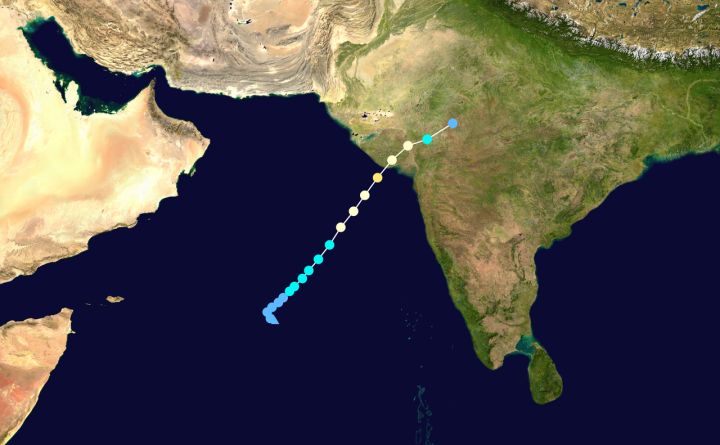
The India Meteorological Department (IMD) has classified the system developing over the Bay of Bengal as Severe Cyclonic Storm Murasu. Satellite imagery shows the storm intensifying and tracking west‑northwest, putting the coastal districts of Andhra Pradesh directly in its path.
IMD has issued a cyclone warning for the Andhra coast and placed Odisha under a high‑alert status for heavy rainfall. State disaster management authorities in both regions have begun pre‑emptive measures, including mobilising rescue teams, setting up relief shelters and advising fishermen to remain ashore.
Residents along the vulnerable shoreline have been urged to secure property, stock essential supplies and stay tuned to official bulletins. The storm is expected to bring strong winds, storm surges and torrential rain, which could disrupt transport, power and communication networks.
Meteorologists will continue to monitor Murasu’s intensity and trajectory over the next 24 hours, updating warnings as needed to mitigate potential loss of life and property.