
📷 Image: Wikimedia Commons / Ramesh Lalwani
Politics
Jharkhand Tribals Stage Cultural Protest Against SIR with Dhol and Matka
✍️ The Indian Express
🗓 02 Nov 2026, 09:39 PM
👁 1
Tribal communities in Jharkhand are organizing a cultural protest against the Scheduled Investment Region (SIR) policy, featuring traditional music and dance.
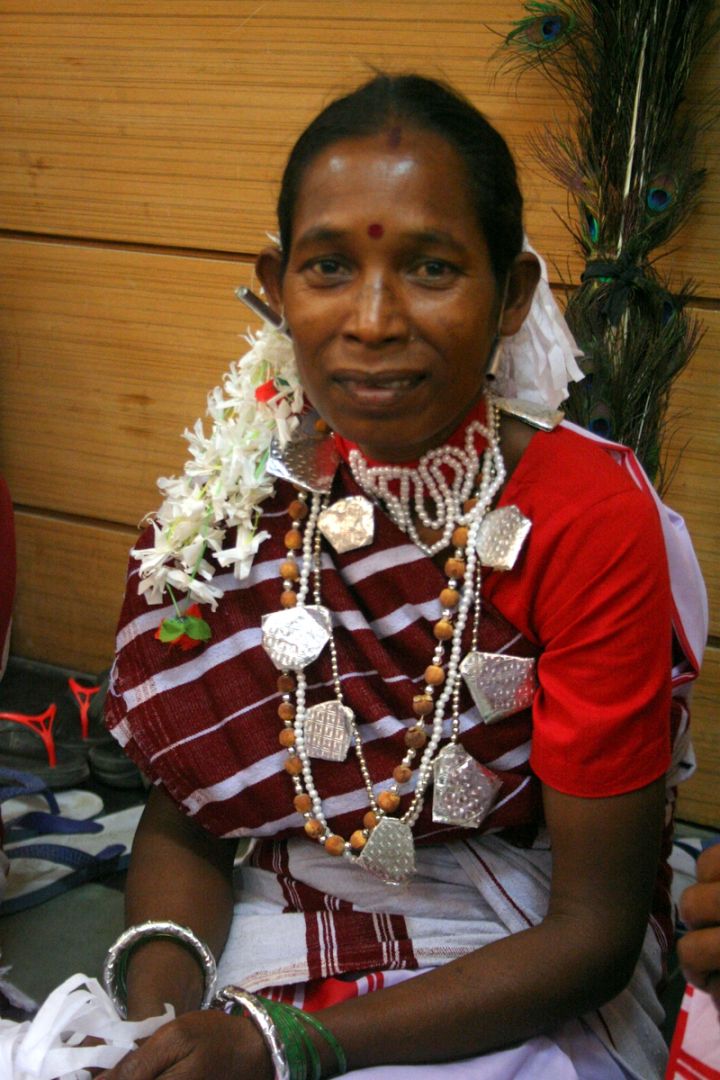
Tribal groups in Jharkhand have mobilized for a significant protest against the implementation of the Scheduled Investment Region (SIR) policy. The demonstration is marked by a strong cultural identity, with participants carrying traditional instruments such as matkas and dhols.
The protest is not merely a political statement but a cultural expression of dissent. By bringing song and dance to the forefront, the tribal community aims to highlight their heritage while voicing their opposition to the policy. This approach underscores the deep connection between their cultural practices and their socio-economic concerns.
The use of traditional folk music and dance forms serves as a unifying force among the protesters. It signals a collective stance against what they perceive as a threat to their land and livelihoods. The visual and auditory impact of the dhols and matkas adds a powerful dimension to their demand for rights and recognition.
This cultural protest highlights the unique way in which Jharkhand's tribal communities articulate their grievances. It reflects a broader trend where indigenous groups use their cultural capital to engage with political issues, ensuring their voices are heard in a distinctive and memorable manner.